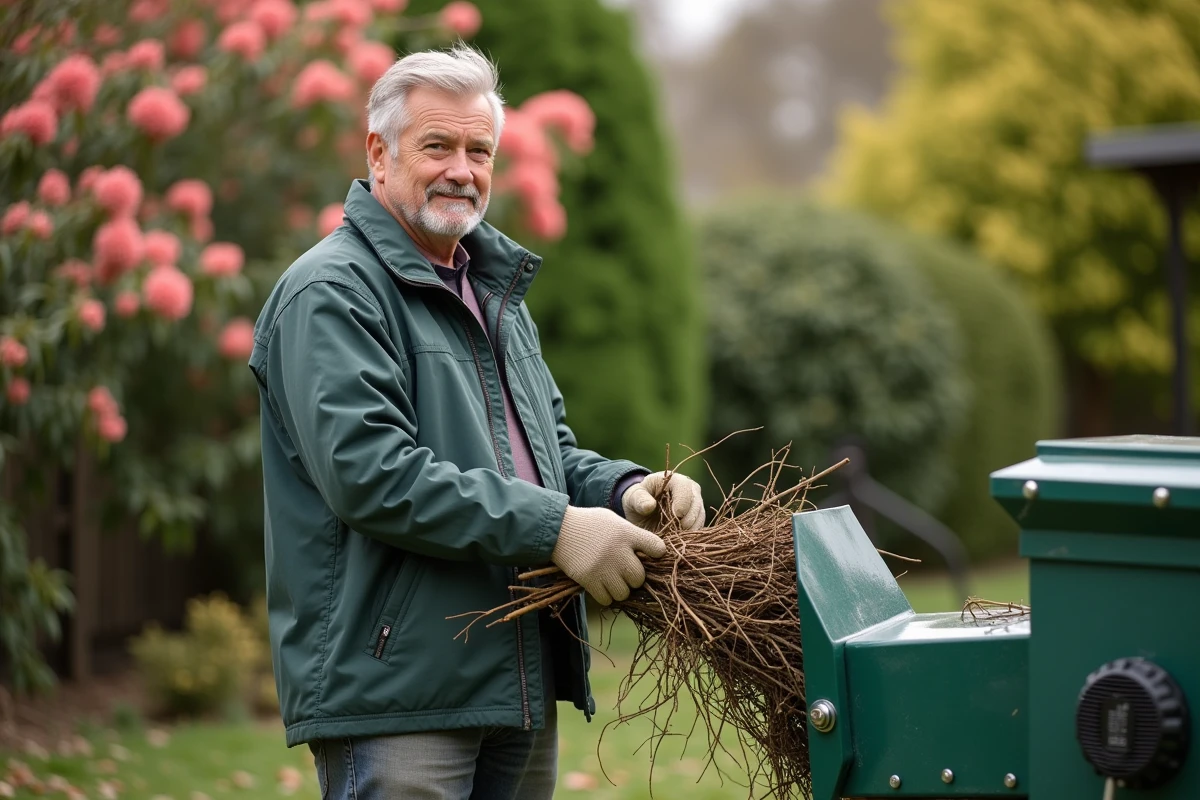
A well-maintained garden is not just about the eye of the passerby or the strictness of the borders: it depends on a careful management of green waste, those furtive mountains that accumulate over the course of pruning and seasons. On the ground, it’s not just a matter of brute power. Some shredders, packed with watts, falter in the face of wet branches, where more modest models swallow leaves and softer residues without flinching.
The differences in mechanisms, rotor, turbine, blade disc, are not mere technical details. They affect the rhythm, noise level, and ease of maintenance. Neglecting the garden’s surface area or the nature of the plants often leads to the headache of an unsuitable shredder, too bulky or quickly clogged.
Why investing in a garden shredder transforms garden maintenance
The pile of branches growing at the back of the garden, the pruning residues accumulating after each pass of the secateurs… For many gardeners, managing green waste quickly becomes an endless race. The garden shredder cuts through this routine: it reduces the volume of these wastes, transforming them into a material that is easy to handle and recycle.
Beyond the simple space-saving, the resulting mulch paves the way for an ecological management of organic matter. Used as mulch, it protects flower beds and limits water evaporation; integrated into compost, it enriches the soil with humus. Shredded branch wood, on the other hand, boosts soil life and promotes natural fertility. Another significant advantage: fewer trips to the waste disposal site, which lightens the carbon footprint of each gardener.
Equipping yourself with a shredder is thus choosing more efficient maintenance and local recycling of garden waste. To navigate the jungle of models, the comparison provided on the page “Best Garden Shredder: Comparison 2026, Tests and Reviews” from broyeur-vegetaux.net stands out as a wise read for anyone looking to invest without unpleasant surprises.
What criteria to prioritize when choosing a model suited to your needs
Before buying, take the time to assess the nature of the waste to be processed and the layout of your garden. The choice of shredding system directly influences the result obtained. Here are the main options to consider:
- The blade disc shredder is formidable with leaves and small branches, offering a fine mulch, perfect for speeding up composting.
- The rotor shredder, more tolerant of diameter, easily accepts thick branches and provides a coarse mulch, very effective for mulching.
- The turbine version combines endurance and versatility, even when faced with hard woods and substantial branches.
The feeding mode also counts in the balance. For domestic use, the electric shredder combines discretion and ease of maintenance. On large grounds or for substantial volumes, the thermal model stands out for its power and ability to process large sections, at the cost of a more pronounced noise level.
Be sure to check the motor power as well as the maximum diameter accepted: these two criteria determine the device’s ability to swallow branches and tougher residues. Safety should not be overlooked either: goggles, gloves, noise-canceling headphones, and fitted clothing limit risks during each use.
The presence of a collection bin or a hopper improves user comfort and reduces projections. Regular maintenance ensures the longevity and efficiency of the shredder. Finally, the availability of spare parts and the quality of after-sales service are guarantees of peace of mind over time.
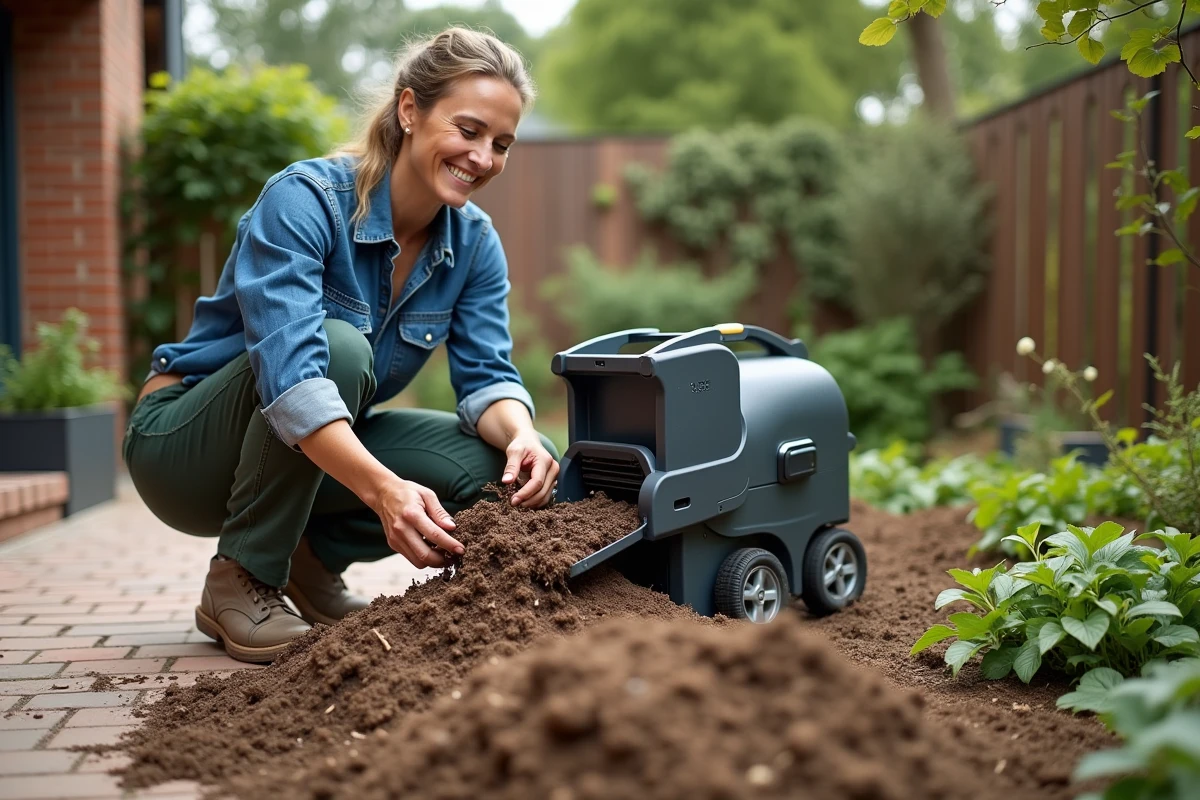
Comparison of the main types of shredders: advantages and limitations to know
The garden shredder market is structured around three main families, each equipped with a shredding mechanism that influences the final output and the type of waste processed.
- The blade disc shredder targets gardens dominated by leaves and fine branches. Thanks to its rotating blades, it produces a very fine mulch, ideal for compost. Lightweight and easy to maintain, it remains limited as soon as the branches gain hardness or diameter.
- The rotor shredder stands out in processing thick branches. Its mechanism crushes and shreds without weakening, even beyond 35 mm. The result: a coarse mulch, perfect for mulching. In return, the device takes up more space and requires an appropriate workspace.
- The turbine shredder combines robustness and endurance. Capable of swallowing very thick branches and hard woods, it is particularly suitable for large gardens or intensive use. Its maintenance is a bit more intricate, but its versatility appeals to demanding users.
The choice of shredding system shapes the quality and use of the mulch: rapid composting, thick mulching, management of large volumes… It is therefore better to align your choice with the reality of the garden, the nature of the plants to be shredded, and the frequency of use. The key to a successful purchase lies there, much more than in a simple comparison of technical sheets.
Every garden has its strategy, every terrain its solution. The garden shredder, far from being a mere gadget, draws the line between chore and regained pleasure in maintaining green spaces.