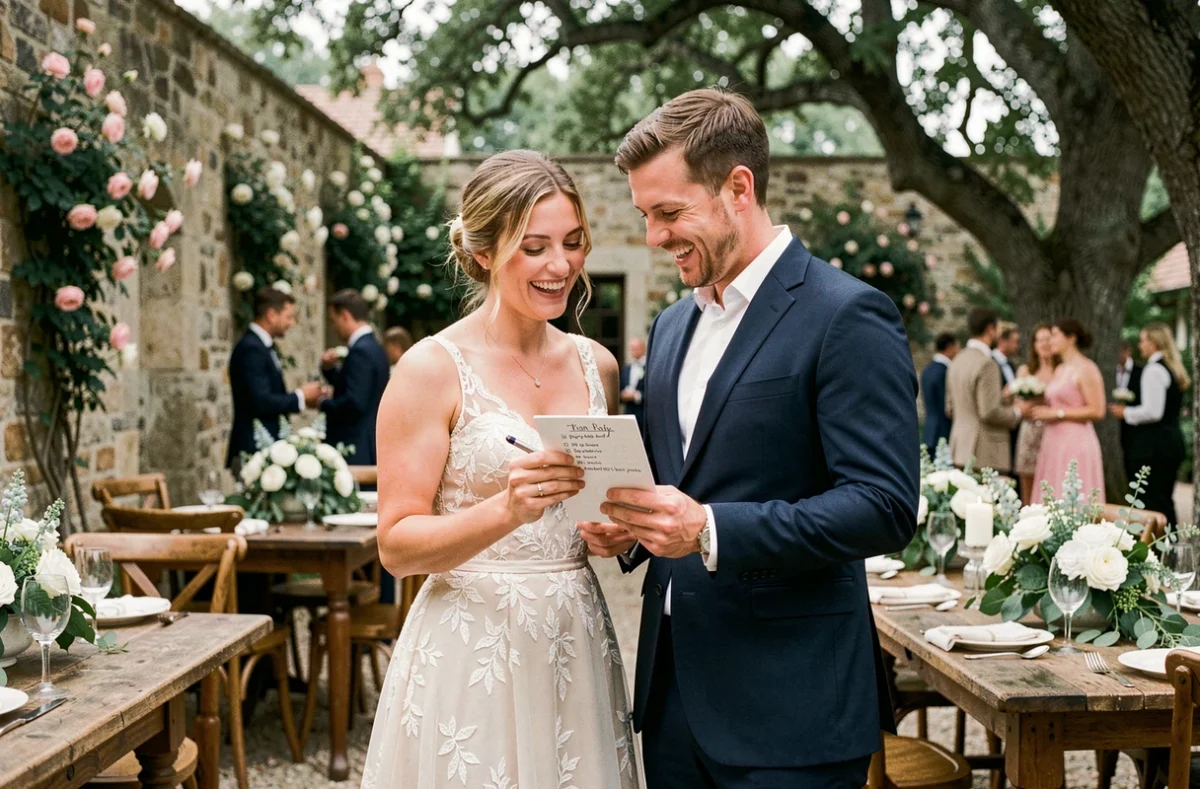
Organizing a wedding without stress relies less on Pinterest inspiration and more on methodical decisions. We have identified ten concrete levers that, if mastered in advance, can prevent the most common friction points during preparations and on the big day.
1. Lock in the backward planning as soon as the venue is booked
A backward planning schedule based on the reception venue date sets every deadline. We recommend establishing critical milestones (caterer, photographer, officiant) within the first three months, then breaking down secondary tasks by quarter.
The classic mistake is to address items in emotional order (dress, decoration) rather than contractual order (venue, caterer, insurance). The venue dictates almost all other choices: capacity, catering logistics, accommodation, transport accessibility.
2. Budget by item with a non-negotiable contingency line
A global budget without itemized breakdowns leads to cascading overruns. We observe that couples who detail each line item (venue, caterer, drinks, photographer, flowers, outfits, stationery, transport, entertainment, coordination) maintain better visibility.
Setting aside a contingency envelope that represents a significant portion of the total budget absorbs last-minute costs: generator rental, additional shuttle, tent rental in case of rain. To structure this breakdown and track each item, you can access the Passion Mariage website, which offers dedicated tools for this tracking.
3. Verify the professional liability insurance and contract of each service provider
The wedding planner is not a regulated profession in France. No state diploma is required. This lack of framework necessitates systematically checking the SIRET number, the professional liability insurance certificate, and the contract clauses before any signature.
We recommend checking three specific points in each service provider’s contract: cancellation conditions, payment schedule for deposits, and the substitution clause in case of unavailability on the big day. A provider who refuses to provide their professional liability certificate is a warning sign.
4. Size the transportation plan for guests
Competitors talk about eco-friendly decoration, but transportation is the primary source of carbon footprint for a wedding. Shuttles between the ceremony venue and the reception, organized carpooling via a shared spreadsheet, proximity to a train station: these factors also influence guest comfort and attendance rates.
A transportation plan communicated on the invitation or wedding website reduces last-minute logistical questions. Planning a return shuttle at the end of the evening avoids early departures and risky journeys.
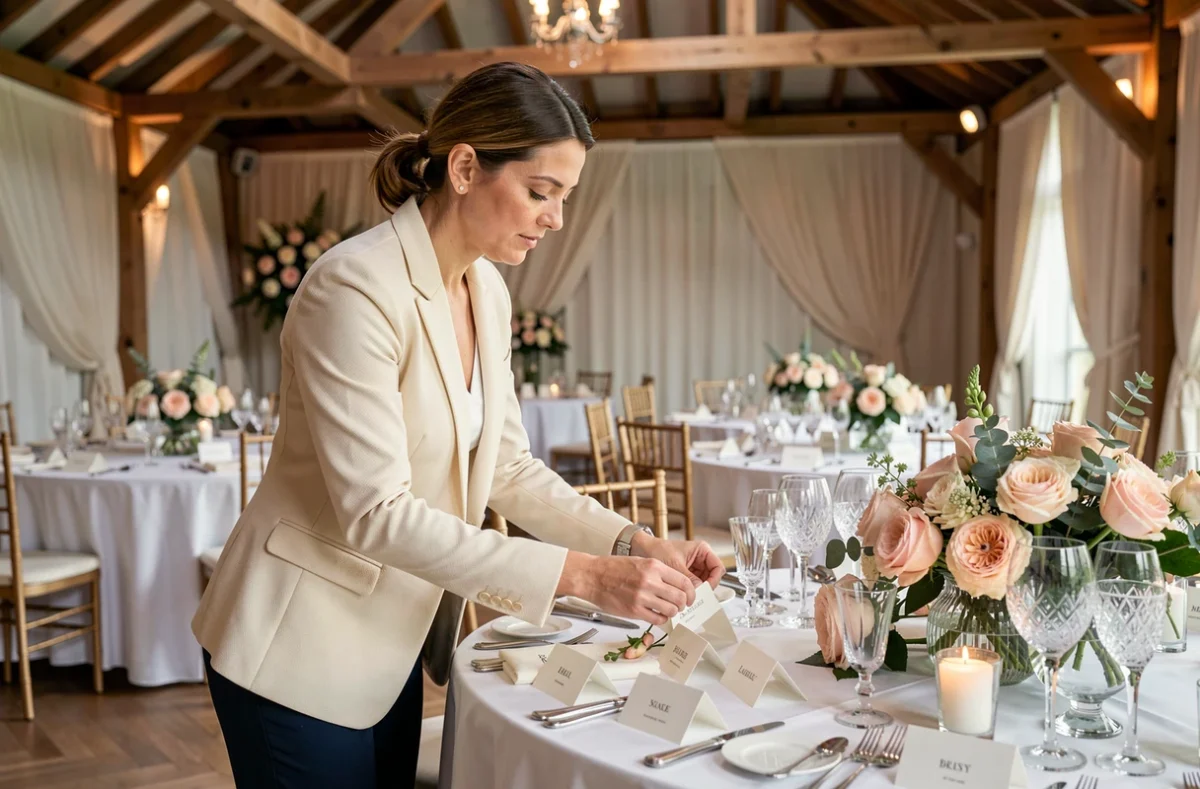
5. Decide between a single-day format and a multi-day wedding
Weddings spanning two or three days are on the rise. The extended format (informal dinner the night before, ceremony and reception, brunch the next day) offers a more relaxed experience, but it multiplies budget items: accommodation, additional catering, coordination of side activities.
Before choosing this format, we advise accurately estimating the additional costs and checking that the venue allows access for the desired duration. A wedding condensed into a well-orchestrated day provides as many memories as a poorly coordinated weekend.
6. Prioritize guest experience over aesthetics alone
A survey by Mariages.net conducted among 1,304 married couples in France in 2025 places guest enjoyment among the top priorities. The DJ and photographer are among the service providers deemed most critical to the success of the celebration.
A guest remembers the atmosphere, the meal, and the flow of the evening, rarely the exact color of the napkins. Focusing the budget on catering, music, and comfort (seating, temperature, acoustics) yields a better experience than heavy investments in staging.
7. Schedule the couple’s photo session before the cocktail
The couple’s photo session done before the reception (first look or dedicated slot after the ceremony) frees up the rest of the day. We observe that couples who allocate thirty to forty-five minutes for this obtain more relaxed shots and join their guests without rushing.
Communicating the exact timing to the photographer, coordinator, and witnesses avoids delays. A shared photo schedule eliminates the stress of improvised reminders.
8. Organize group photos with a named list
Group photos are the most time-consuming and stressful photographic item on the big day. A named list provided to the photographer and a designated witness transforms this step.
- List each desired combination (bride’s close family, groom’s close family, childhood friends, colleagues) with first names
- Limit the number of combinations to about ten to keep it under fifteen minutes
- Designate a witness to gather each group while the photographer stays in place
9. Prepare a logistical emergency kit for the big day
A centralized physical kit, entrusted to the coordinator or a witness, covers micro-emergencies that generate disproportionate stress:
- Sewing kit (white thread, pins, scissors), stain remover, anti-perspirant
- Phone charger, external battery, power adapter
- Pain reliever, band-aids, misting spray, sunscreen
- Spare rings entrusted to someone other than the main witness
Anticipating these operational details relieves the mental load for the couple during the day.
10. Delegate the coordination of the big day to a single person
Coordination on the big day cannot be handled by the couple themselves. Whether it’s a wedding planner (checking their guarantees as indicated in point 3), a day-of coordinator, or an experienced friend, one person must centralize vendor calls, manage timing, and resolve unforeseen issues.
Dividing this responsibility among several witnesses creates gray areas. A single point of contact for all vendors ensures quick decisions without involving the couple.
These ten levers do not cover all preparations, but they target the friction points we most often observe on the ground. A successful wedding relies on the rigor of logistical preparation, not on decorative perfection.