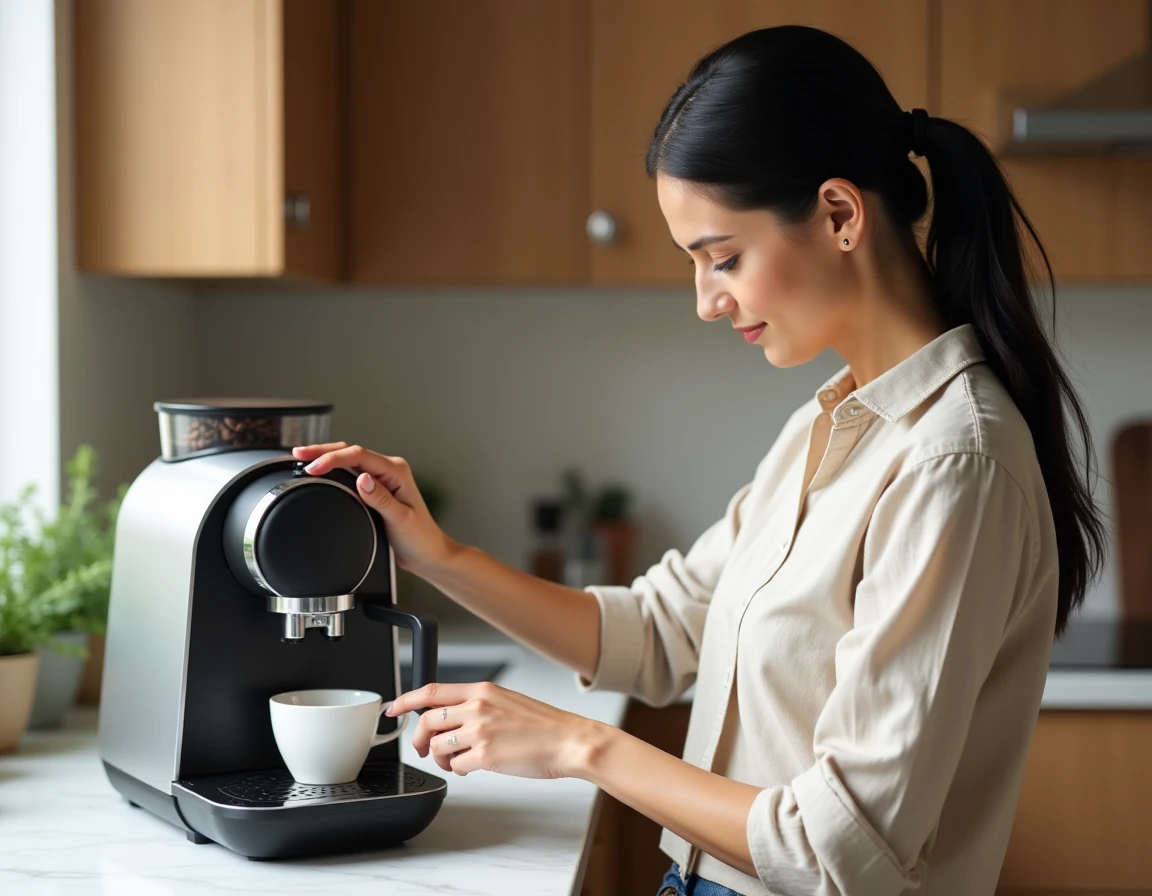
When you take the Saeco Picobaristo Deluxe out of its box, the temptation to brew an espresso immediately is strong. The machine allows it, but a few initial adjustments will determine the quality of each cup for months. This guide covers the concrete points that make a difference daily, from choosing the water to managing the milk circuit.
Water Hardness Setting and AquaClean Filter on the Picobaristo Deluxe
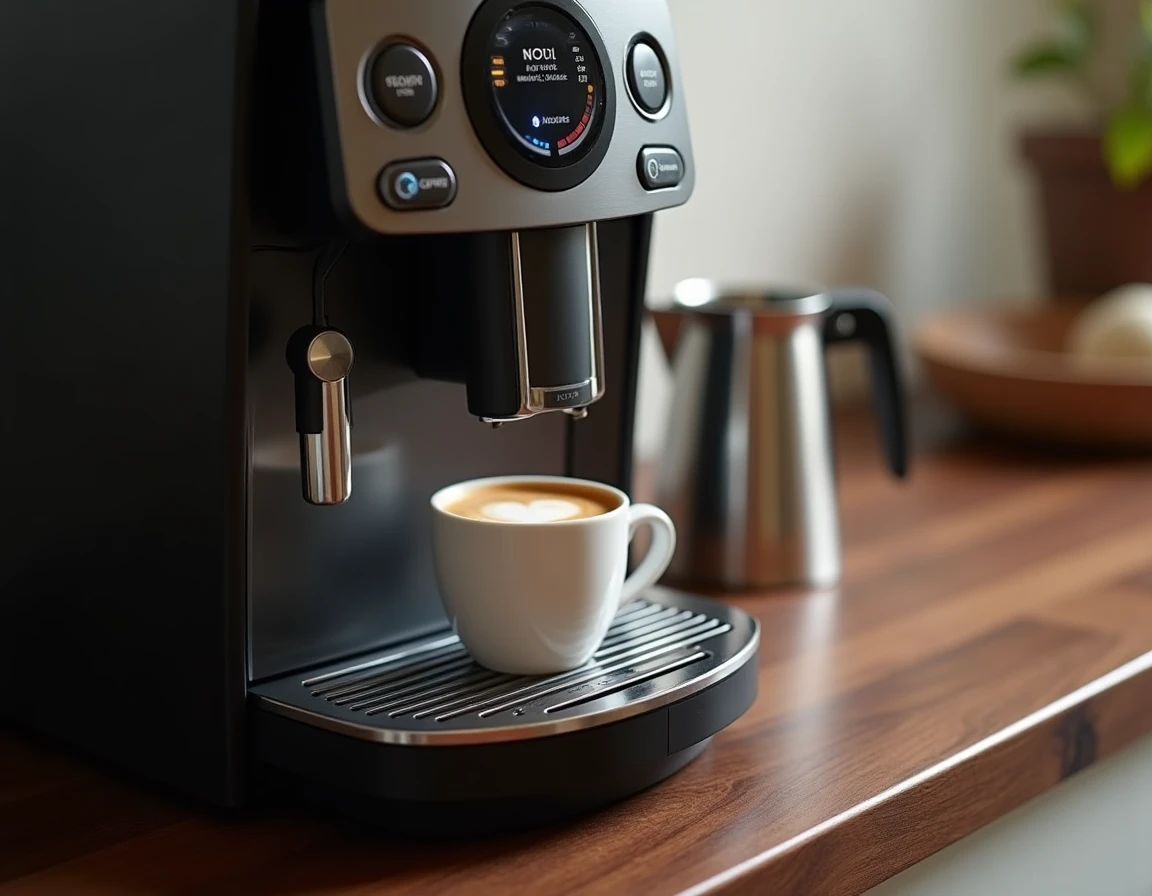
Before even pouring beans into the hopper, we start with the water tank. The Picobaristo Deluxe includes a slot for the AquaClean filter, and activating this filter in the menu changes the entire maintenance schedule. Without software activation, the machine ignores the filter and triggers premature descaling alerts.
To activate the filter, go to the “Settings” menu, then “AquaClean”. The machine will then prompt you to rinse the circuit. This step takes less than a minute and ensures that the filter is recognized by the system.
The water hardness setting is found in the same menu. Use the test strip provided with the machine to determine the hardness level of your tap water. If you prefer to use low-mineral bottled water, setting it to the lowest level is sufficient.
Combining filtered water or bottled water with the AquaClean filter significantly reduces the frequency of descaling, which saves the machine in the long run. You can find the entire procedure in the user manual for the Saeco Picobaristo Deluxe, which details each menu screen.
Ceramic Grinder and Grind Setting: Finding the Right Adjustment for Your Coffee
The Picobaristo Deluxe features a ceramic grinder with twelve grind levels. You adjust the fineness using the dial located inside the bean compartment, only when the grinder is running. Turning the dial while stopped may jam the mechanism.
In practice, the intermediate level is suitable for most espresso-roasted beans. Here’s how to adjust based on the cup result:
- The coffee flows too quickly and lacks body: lower by one or two notches to a finer grind, which slows down extraction and enhances aromas.
- The coffee drips or the machine struggles: raise by one notch to a coarser grind to facilitate water passage.
- The taste is bitter or harsh: the grind is likely too fine for the bean used, especially with dark roasts that extract quickly.
Note that each change of bean may require a new adjustment. A smooth Brazilian blend and an Ethiopian single origin will not react the same way to the same setting. Two or three test cups are usually enough to find the right notch.
Milk Beverages and Milk Circuit: Cappuccino, Latte Macchiato, Café au Lait
The Picobaristo Deluxe offers cappuccino, latte macchiato, and café au lait through its milk carafe system. The circuit draws in the milk, heats it, and froths it directly into the cup. To achieve dense foam, use cold whole milk straight from the refrigerator.
The question of plant-based beverages often arises. The Philips-Saeco FAQs confirm that you can use oat, soy, or almond milk in the carafe. The foam will be less stable and less dense than with cow’s milk. The non-negotiable point: rinse the milk circuit immediately after each use with a plant-based beverage. These milks leave residues more quickly than animal milk, and a clogged circuit will eventually affect the taste.
The automatic rinse activates when the machine is turned off, but for the milk circuit, you should run the carafe under water and start a milk rinse cycle from the menu. Two minutes of maintenance can prevent a complete disassembly later.
Descaling the Saeco Picobaristo: Frequency and Procedure
When the machine displays the descaling message, do not postpone it. A buildup of limescale in the circuit reduces extraction temperature and can damage internal components.
The descaling cycle of the Picobaristo Deluxe lasts about twenty minutes. Only use the Saeco or Philips descaling solution, not white vinegar. Vinegar leaves acidic residues that standard rinsing cannot eliminate, and it can attack seals.
The procedure takes place in three phases:
- Pour the diluted descaling solution into the water tank, then start the program via the “Clean” menu.
- The machine circulates the solution throughout the entire circuit, including the spout and hot water outlet. Place a container under the outlets.
- After the cycle, rinse the tank, fill it with clear water, and start the final rinse that the machine requests automatically.
With the AquaClean filter properly activated and low-lime water, descaling only occurs every few hundred cups instead of being required much more frequently. Feedback varies on this point depending on local water hardness, but the difference is still notable.
Ground Coffee and User Profiles on the Picobaristo Deluxe
The Picobaristo Deluxe has a compartment for pre-ground coffee, accessible via a flap on top. Select the “Ground Coffee” icon on the screen before pouring in a dose. This option is convenient for testing ground decaf without emptying the bean hopper.
On the customization side, the machine remembers several user profiles. Each profile stores preferences for volume, intensity, and temperature for regular drinks. Setting up your profile avoids having to adjust the settings for each cup. You can access profile management from the main menu, and saving is done with a few taps on the touchscreen.
The last point worth noting: the removable coffee group. Remove it through the side hatch, rinse it with clear water without soap, and let it dry before putting it back in place. Weekly cleaning of the group prevents the accumulation of oily residues that alter the taste and eventually block the mechanism.