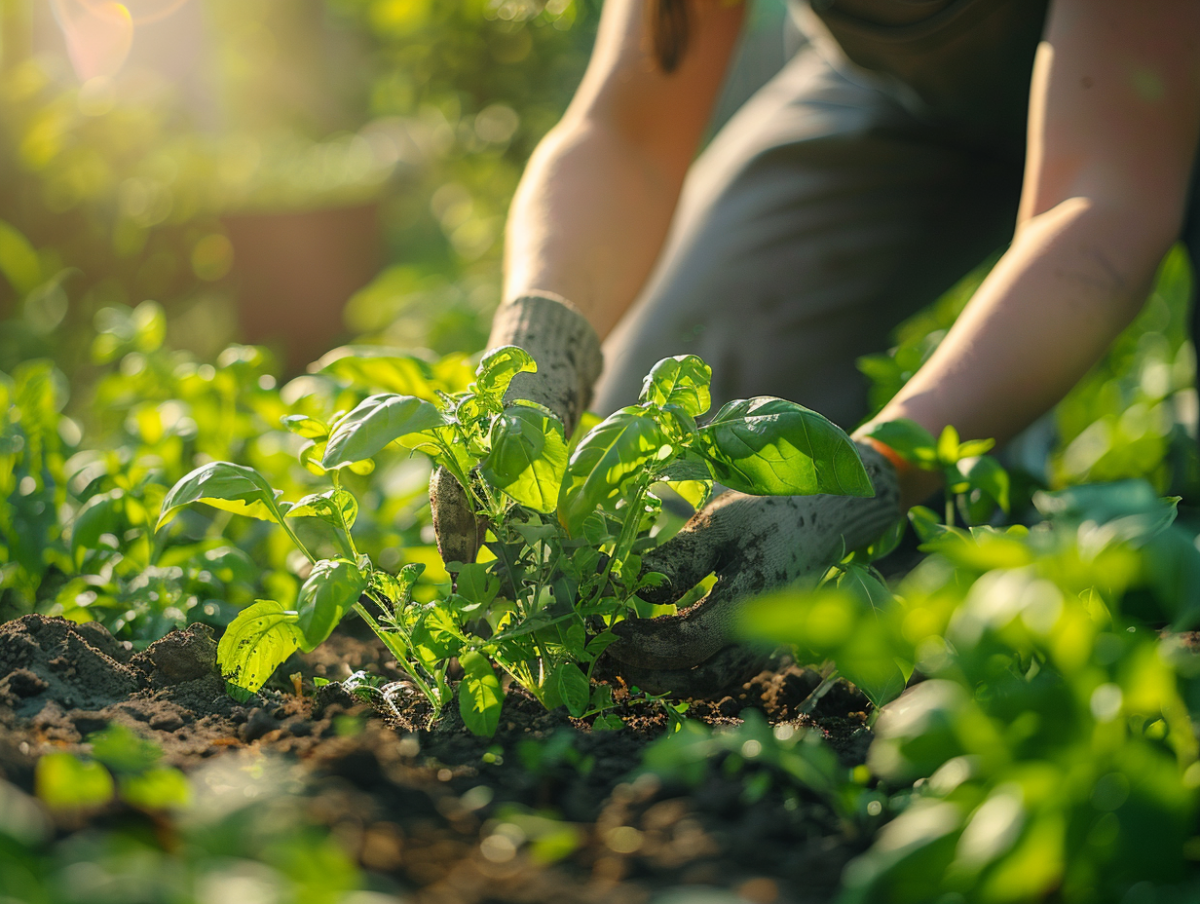
Gardeners, whether amateur or professional, often face the battle against pests that threaten the health of their plants. These unwanted visitors, whether insects, mammals, or fungal diseases, can cause significant damage and compromise months of meticulous work. Effectively protecting one’s garden or crops is therefore a major challenge. Solutions, ranging from traditional methods to more recent innovations, exist to counter these adversities. They help promote ecological balance while ensuring the survival and optimal development of the plants.
Preventive Strategies for Plant Protection
Anticipate rather than cure, could be the motto of the gardener concerned with preserving their crops from pests. Indeed, adopting preventive methods often proves to be wiser than resorting to curative treatments, particularly those involving chemical and polluting insecticides. Natural solutions, when properly applied, help avoid the use of these harmful substances for the environment. For example, simply choosing disease-resistant plants or those less favored by pests can serve as a first line of defense. For vegetables, implementing crop rotations and regular soil maintenance are beneficial practices that limit pest proliferation.
Natural barriers and local tips: The clever use of common materials or substances can be remarkably effective. Anti-slug barriers made of copper or crushed eggshells create a physical deterrent. Vegetable peels, placed at the base of plants, keep aphids and other sap-sucking insects away. The use of beer traps or diatomaceous earth can significantly reduce the slug population without harming the ecosystem.
Plant synergy plays a significant role in the prevention strategy. Promoting biodiversity within the garden by associating certain plants can be very beneficial. Caterpillars on boxwood, for example, could be deterred by the presence of repellent plants such as marigolds or lavender. These act as a natural barrier against a multitude of vegetable pests. The wise choice of companion planting thus creates an environment less conducive to the establishment of unwanted visitors and contributes to the overall health of the plants.
Natural and Organic Methods for Pest Control
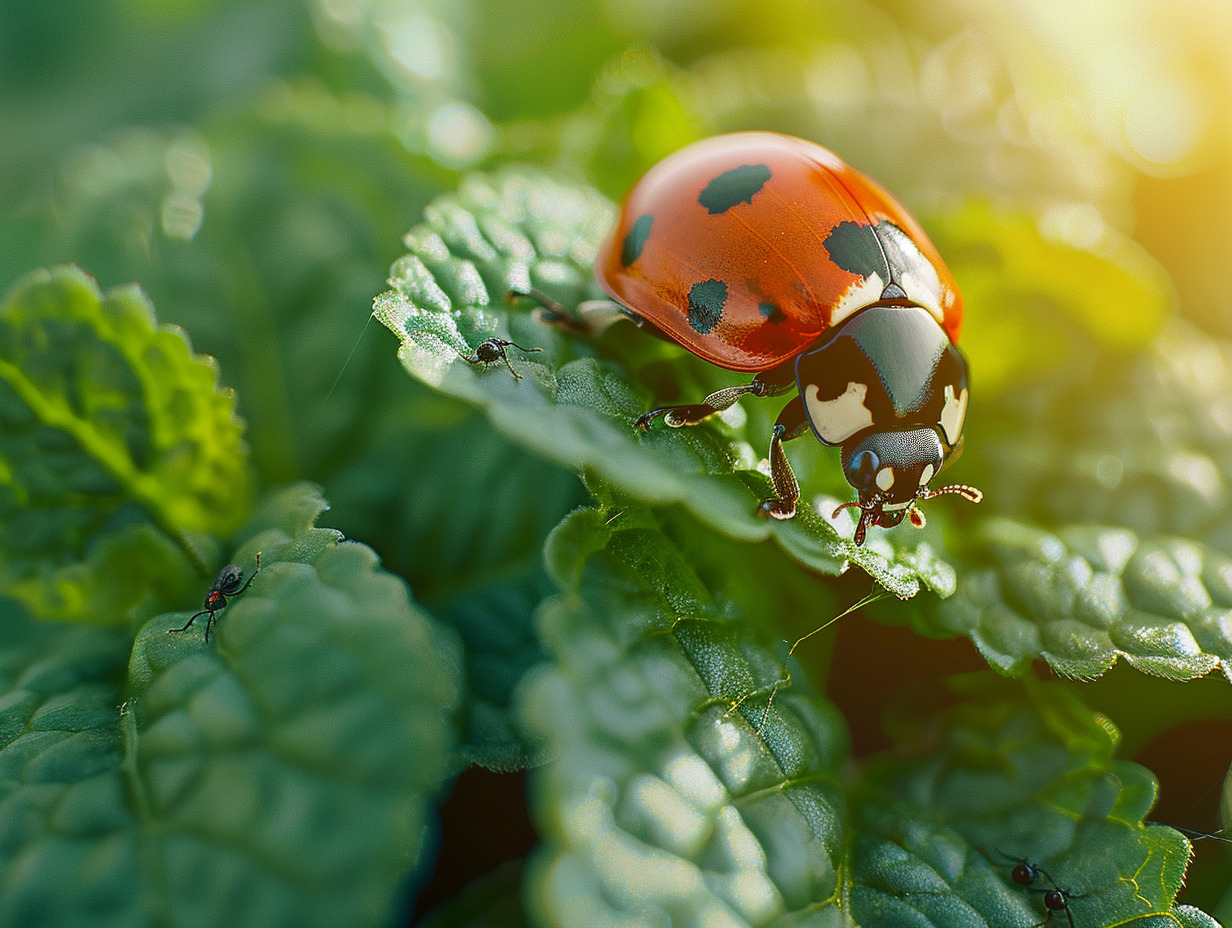
Utilizing beneficial fauna: A true asset in the garden, beneficial insects like ladybugs join the biological fight. These little creatures, true natural predators, feast on aphids, thus contributing to the ecological balance of the vegetable garden. Nematodes, on the other hand, parasitize slugs and snails, offering a discreet yet effective biological control solution. Encourage birds to visit your garden with feeders or nesting boxes; they will help regulate the population of harmful insects.
Natural substances and solutions: Black soap and essential oils are essential in ecological gardening. Black soap, applied in dilution, effectively tackles aphid colonies, while carefully selected essential oils protect plants with their repellent properties. Nettle manure, known for its fortifying virtues, also serves as a preventive measure against various harmful insects. These methods, simple and environmentally friendly, reflect a genuine commitment to biodiversity.
Physical barriers and repellents: Copper or eggshell anti-slug barriers stand as ramparts against unwanted crawlers. Diatomaceous earth effectively combats slugs without harming beneficial fauna. Sticky traps and beer traps remain preferred solutions for capturing flying insects and slugs. To protect crops from birds without harming them, consider installing shiny objects that will deter them from approaching. These methods, though simple, are the result of careful observation and a deep understanding of garden ecosystems.