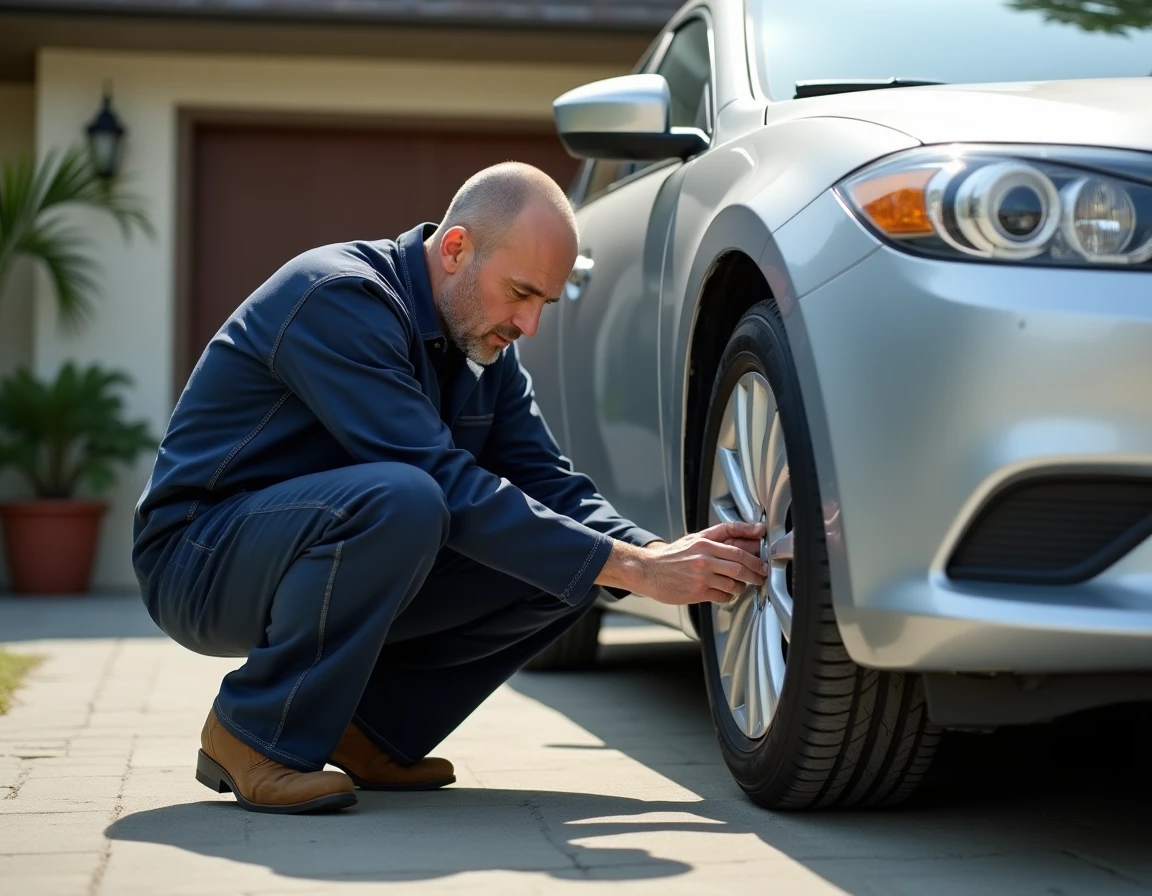
Choosing a car and keeping it in good condition involves two distinct logics that converge on one point: mistakes are costly when they accumulate. Between the new technical inspection standards, the specifics of electric vehicles, and the classic pitfalls of buying used, the parameters to monitor have evolved in recent years. This article compares maintenance costs based on the type of engine and details the checks that truly make a difference in daily life.
Maintenance of thermal or electric vehicles: a comparison of expenses

The belief that an electric vehicle requires “almost no maintenance” is widely circulated. Feedback from multi-brand maintenance networks since 2023 shows a more nuanced reality.
| Maintenance Item | Thermal Vehicle | Electric or Hybrid Vehicle |
|---|---|---|
| Engine oil change and filter | Regular replacement according to the maintenance booklet | Not applicable (no combustion engine) |
| Tires | Standard wear | Accelerated wear (high torque, battery overweight) |
| Brake fluid | Standard check | Often neglected by owners, despite regenerative braking altering the circuit’s demand |
| Running gear | Periodic monitoring | Increase in workshop interventions reported since 2023 |
| Mechanical braking system | Standard progressive wear | Risk of seizing due to underuse (regenerative braking reduces pad usage) |
Failures addressed in workshops for electric vehicles increasingly involve so-called “classic” components: tires, brakes, running gear. On Mon Guide Auto, these behavioral differences between engine types are detailed to guide motorists toward the right reflexes according to their vehicle.
Low-mileage vehicle: mechanical risks associated with immobilization
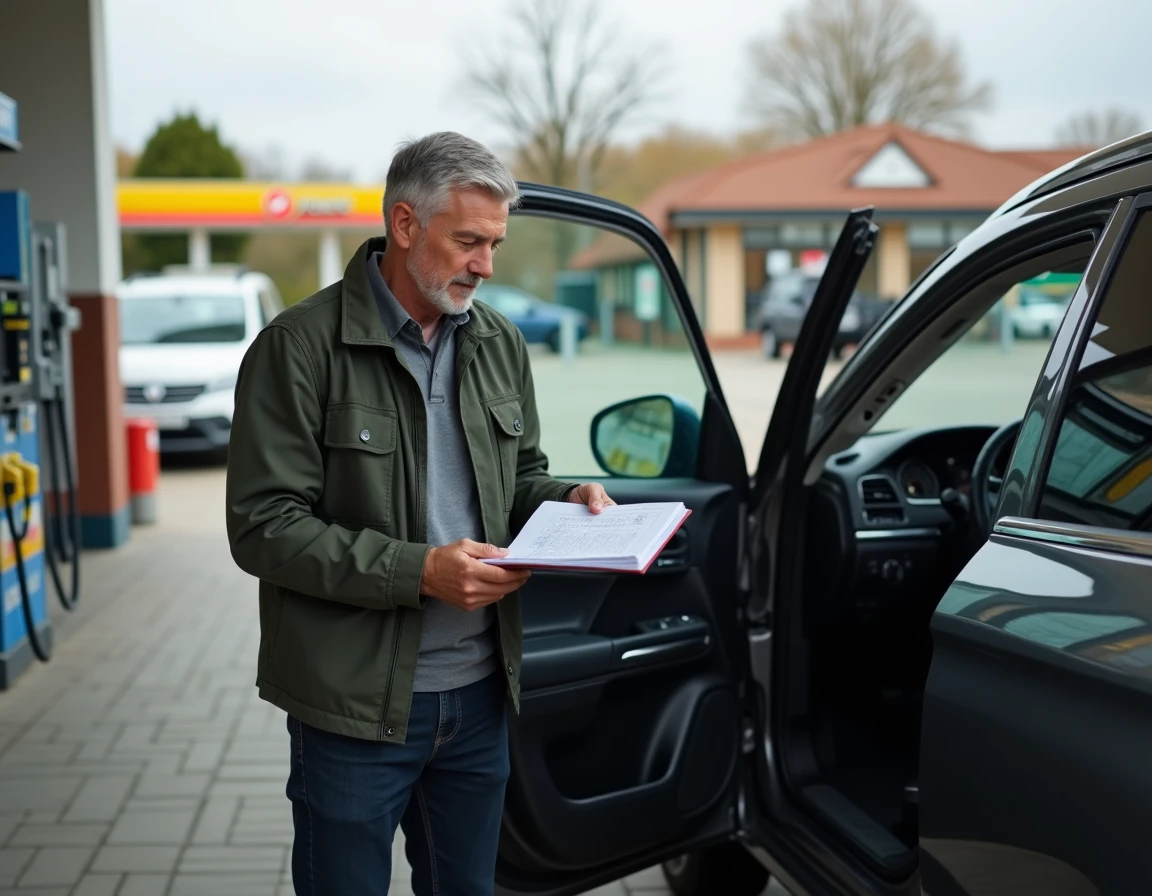
A common reflex is to think that a car that drives little wears less. Since 2022, several garage networks and technical inspection organizations have reported a reverse trend: prolonged immobilization generates as many problems as high mileage.
Fluids (brake fluid, coolant, engine oil) degrade over time, not just with mileage. A vehicle parked for several months may have corroded brake discs, dried seals, and a discharged 12 V battery.
Tires also suffer. A stationary tire develops deformations (flat spots) that cause vibrations while driving. Checking the tire pressure and surface condition after a long period of inactivity is among the essential actions not to neglect, even on a recent vehicle.
Technical inspection and ADAS: what the new standards change
Driver assistance systems (ADAS) are now more closely monitored during technical inspections. Rear sensors, cameras, automatic emergency braking: a malfunction may require a follow-up inspection, even on a vehicle less than five years old.
This evolution in the failure standards emphasizes the importance of regular maintenance of these electronic aids. A cracked windshield in front of the camera, a dirty sensor, or a poorly calibrated radar after a bumper replacement is enough to trigger a report.
Points to check before the inspection
- The condition of the windshield in the wiper sweep area and in front of the ADAS sensors, as any crack or opacity in this area compromises the proper functioning of automatic emergency braking
- The calibration of parking sensors and the rear camera, especially after a rear impact or bumper replacement
- The proper functioning of dashboard warning lights: an illuminated ADAS warning light at the time of inspection will be noted as a failure
These checks are in addition to standard checks (lighting, braking, tires, fluid levels) without replacing them.
Buying a used car: checks that truly protect
The used car market remains the primary channel for car purchases in France. The difference between a good deal and a financial pit often comes down to a few points that the buyer forgets to check.
A stamped maintenance booklet does not guarantee that all interventions have been performed. A complete history (invoices for timing belt replacement, oil changes, particulate filter replacement on a diesel) provides a more reliable picture than the booklet alone.
Engine type and mechanical warranty: reading the exclusions
Since 2023, several brands have revised the exclusion clauses of their mechanical warranties on used vehicles. Certain frequently involved components (turbo, clutch, automatic transmission) may be excluded if manufacturer maintenance has not been strictly followed.
- Check that oil changes match the manufacturer’s recommendations (type of oil, frequency), as a discrepancy may justify a refusal of coverage
- Request a copy of the warranty’s general conditions before signing, paying attention to excluded components and compensation limits
- Check the condition of the tires: tires of different brands on the same axle may indicate approximate maintenance and, in some cases, compromise warranty coverage
In contrast, a well-documented used vehicle, with regular maintenance and consistent invoices, presents a level of reliability comparable to that of a newer model sold without a clear history.
Washing and body protection: beyond aesthetics
Regular washing of the vehicle serves more than just an aesthetic function. Winter salt residues, bird droppings, and resin splashes attack the varnish and then the paint, exposing the metal to corrosion.
A minimum monthly wash protects the resale value of the vehicle. The underbody and wheel arches accumulate abrasive deposits that accelerate oxidation, especially in regions where winter salting is common.
Cleaning door seals and roof gutters also prolongs their flexibility and prevents water infiltration into the cabin, a common problem in vehicles over eight years old.
The choice of a vehicle and its daily maintenance form a coherent whole. Field data shows that the most costly failures rarely result from a sudden breakdown, but from an accumulation of small oversights regarding fluids, tires, and safety components. Following the manufacturer’s maintenance booklet, adapting one’s reflexes to the type of engine, and documenting each intervention remains the most effective method for controlling long-term ownership costs.